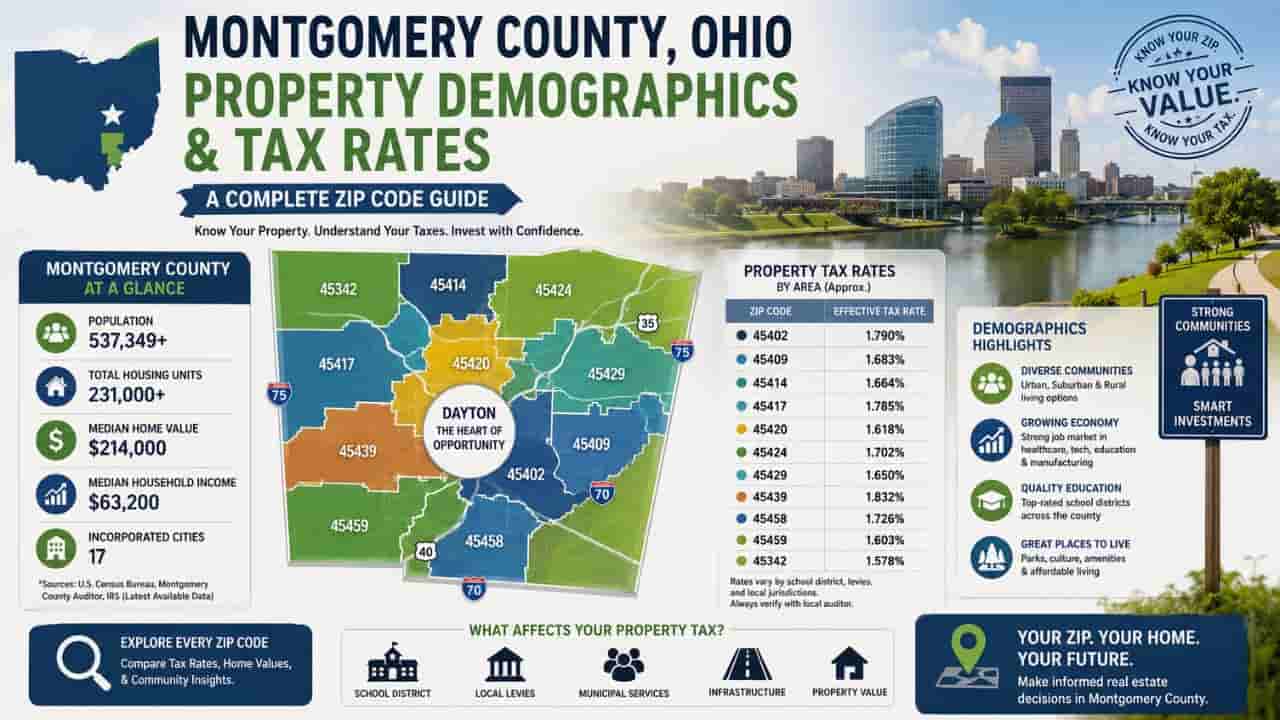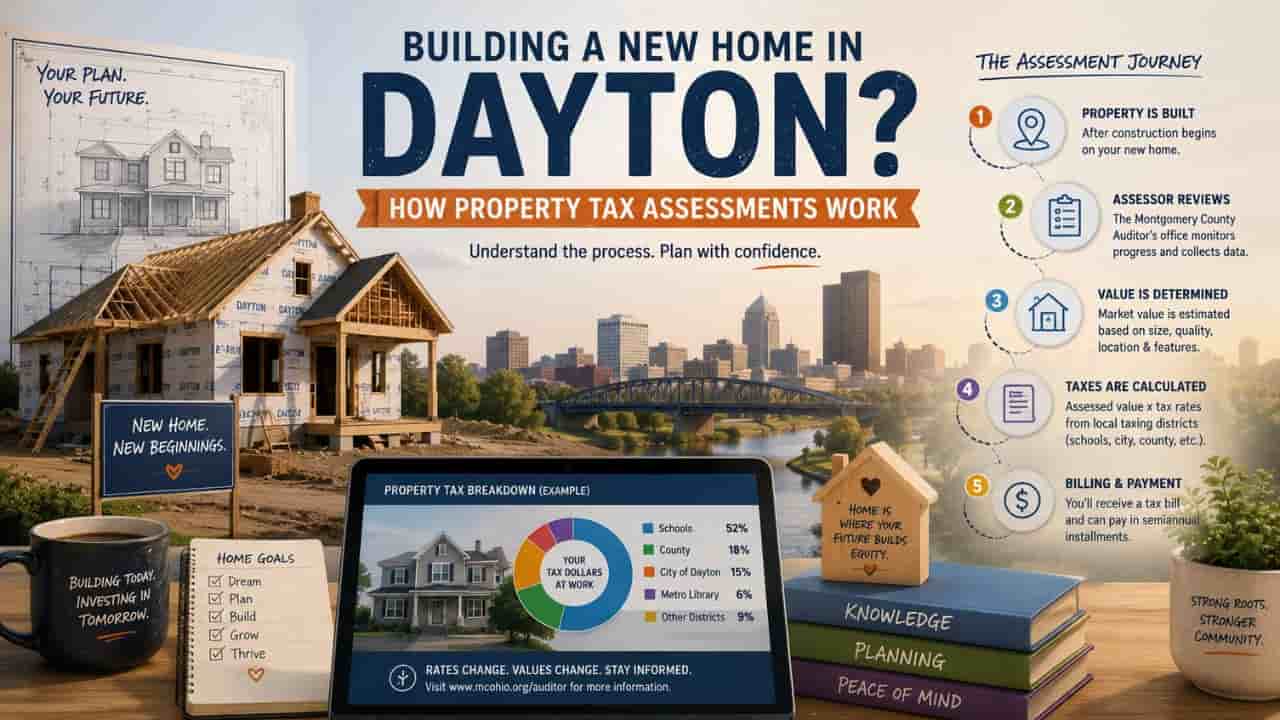
The rapid expansion of the shared economy has transformed the hospitality industry across the Dayton metropolitan region. Today, residential property owners routinely convert spare rooms, secondary apartments, and single family suburban homes into profitable transient lodging spaces using online platforms like Airbnb and Vrbo. However, operating a short term rental is not merely a passive real estate investment, under state and local statutory frameworks. It constitutes an active hospitality business. In the state of Ohio, the collection of transient lodging taxes is mandatory for any operator offering sleeping accommodations to guests for a continuous period of less than thirty days. Failing to manage these specialized excise rules can result in significant legal liabilities, back tax audits, and steep financial penalties. This definitive operational guide outlines the step by step process for securing your Montgomery County lodging tax registration, working with an Airbnb short term rental tax Dayton infrastructure, and properly submitting your hotel excise tax returns Ohio filings.
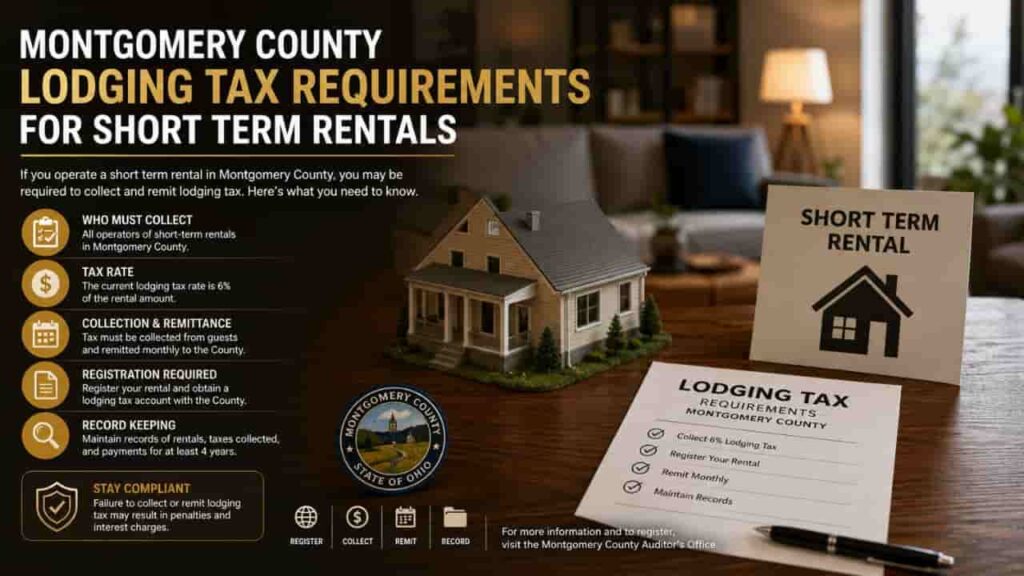
The Statutory Role of the Montgomery County Auditor in Administering Lodging Excise Taxes
Under the Ohio Revised Code, the County Auditor serves as the primary administrative officer, tax collector, and regulatory overseer for all regional transient lodging tax operations. While municipal cities and townships within the county have the legal right to pass their own independent local lodging ordinances, the Auditor coordinates the foundational county wide tax rolls and manages the master registry. The Auditor supports local hospitality hosts and protects community tourism frameworks through several core administrative responsibilities.
- Issues Official Lodging Certificates.
The Auditor processes, registers, and tracks all commercial operations, assigning a mandatory county auditor lodging certificate to compliant properties. - Manages Revenue Collection and Allocation.
The Auditor’s specialized finance division collects the county’s percentage of the lodging excise tax and distributes the funds to regional convention bureaus and local municipal entities. - Executes Compliance and Auditing Protocols.
To ensure tax equity, the Auditor reviews rental listings, executes transactional audits, and enforces penalties against unlicensed short term operators.
Mapping Your Lodging Tax Obligations, Local vs County Allocations
One of the most complex aspects of managing a short term rental in Dayton is understanding how different tax layers accumulate based on your property’s precise geographic location. The total tax rate you must collect from your guests is a combination of the fixed county wide rate and any additional municipal or township lodging assessments. The three column table below outlines the core components of the transient lodging tax structure in Montgomery County.
| Lodging Tax Component | Official Statutory Authority | Operational Impact on Your Transient Guest Billings |
| County Transient Excise Tax | Administered directly by the Montgomery County Auditor across all properties within county borders. | Adds a baseline 3% excise charge to the gross lodging transaction total for any stay under thirty consecutive days. |
| Municipal / City Lodging Tax | Enforced independently by local cities like Dayton, Huber Heights, or Centerville. | Can add an additional up to 3% local assessment, which must be tracked based on the city line. |
| Online Platform Collection (MTC) | Regulated via Marketplace Facilitator laws signed with the state of Ohio. | Platforms like Airbnb may automatically collect some state level taxes, but operators must verify local county registration. |
Step by Step Guide to Completing Your Lodging Tax Registration
To legally open your home or property to short term transient guests without facing administrative warnings, you must execute a specific registration plan.
Step 1. Verify Your Local Corporate and Zoning Compliance
Before submitting tax paperwork, ensure your property is legally allowed to operate as a short term rental. Check your local city or township zoning codes to see if you need a conditional use permit. If you operate your rental property through a business entity, ensure your corporate LLC registration is active with the Ohio Secretary of State.
Step 2. Download and Complete the Auditor’s Lodging Application
Access the official forms portal hosted by the Montgomery County Auditor. Locate and download the Transient Lodging Tax Registration Form. Complete all data fields, listing the exact physical location of the parcel, the total number of rooms available for rent, and complete owner contact identifiers.
Step 3. Secure Your Official County Auditor Lodging Certificate
Submit your completed registration packet directly to the Auditor’s excise tax desk via mail or through the secure county web submission application. There is no major initial fee required to process this specific tax registration. Once approved, the Auditor will issue your official county auditor lodging certificate, which displays your custom account tracking number.
Step 4. Configure Your Online Listing Plate from Tax Settings
Log into your host dashboards on platforms like Airbnb, Vrbo, or Booking.com. Go to the tax settings panel and input your official county account tracking numbers. Ensure your automated checkout system is configured to accurately apply the correct percentage rate to the subtotal of all guest stays.
Step 5. Establish Your Monthly or Quarterly Tax Return Reporting Files
Once registered, you are legally required to file regular hotel excise tax returns Ohio forms, even if you had zero rental income during a particular billing cycle. Compile your monthly gross revenue statements, deduct any exempt long term stays (over 30 continuous days), and submit the corresponding tax payments directly to the County Treasurer before the statutory monthly deadline.
The Financial Impact of Marketplace Facilitator Laws and Host Responsibilities
A critical structural detail that local hospitality hosts must understand is the interaction between online listing channels and local county tax rules. Under modern Ohio tax frameworks, major platforms like Airbnb operate as marketplace facilitators. This means that in many jurisdictions, the platform automatically calculates, collects, and remits state level sales taxes on behalf of the host.
However, this automated collection does not completely exempt the property owner from local responsibilities. Many municipal cities and county level jurisdictions in Ohio still require individual hosts to register their accounts locally and file independent monthly or quarterly returns to account for localized tourism levies. Relying blindly on an online platform’s automated settings without verifying local county compliance can result in a quiet accumulation of unpaid taxes, which can lead to unexpected tax collection audits from the county.
Conclusion
Registering your property under the Montgomery County lodging tax registration system is a mandatory prerequisite for running a legitimate, compliant short term rental business in the Dayton region. By utilizing the official tracking tools managed by the County Auditor, hosts can seamlessly calculate their tax obligations, secure their operating certificates, and properly submit their monthly excise returns. Staying compliant with these transient tax guidelines protects your real estate investments from costly legal penalties. Use this professional guide to confidently establish your short term rental and support our vibrant local tourism economy.
FAQs
Who is required to register for the Montgomery County lodging tax?
Any property owner renting out a room, house, or apartment to transient guests for less than thirty consecutive days must register with the Auditor.
Does Airbnb automatically collect my local Montgomery County lodging tax?
While Airbnb collects state level sales taxes, individual hosts must still verify local rules and ensure county level transient taxes are completely paid to the Auditor.
How often must I file my hotel excise tax returns?
Lodging tax returns are typically filed on a strict monthly or quarterly schedule, depending on your total volume of transient rental transactions.
What happens if my rental property has no guests during a month?
You must still file a mandatory “Zero Return” form with the Auditor’s office to keep your hospitality account active and prevent late filing non compliance penalties.
Are long term stays exempt from the Montgomery County transient lodging tax?
Yes. Any guest stay that extends continuously past thirty consecutive days is legally classified as a long term rental and is exempt from lodging taxes.