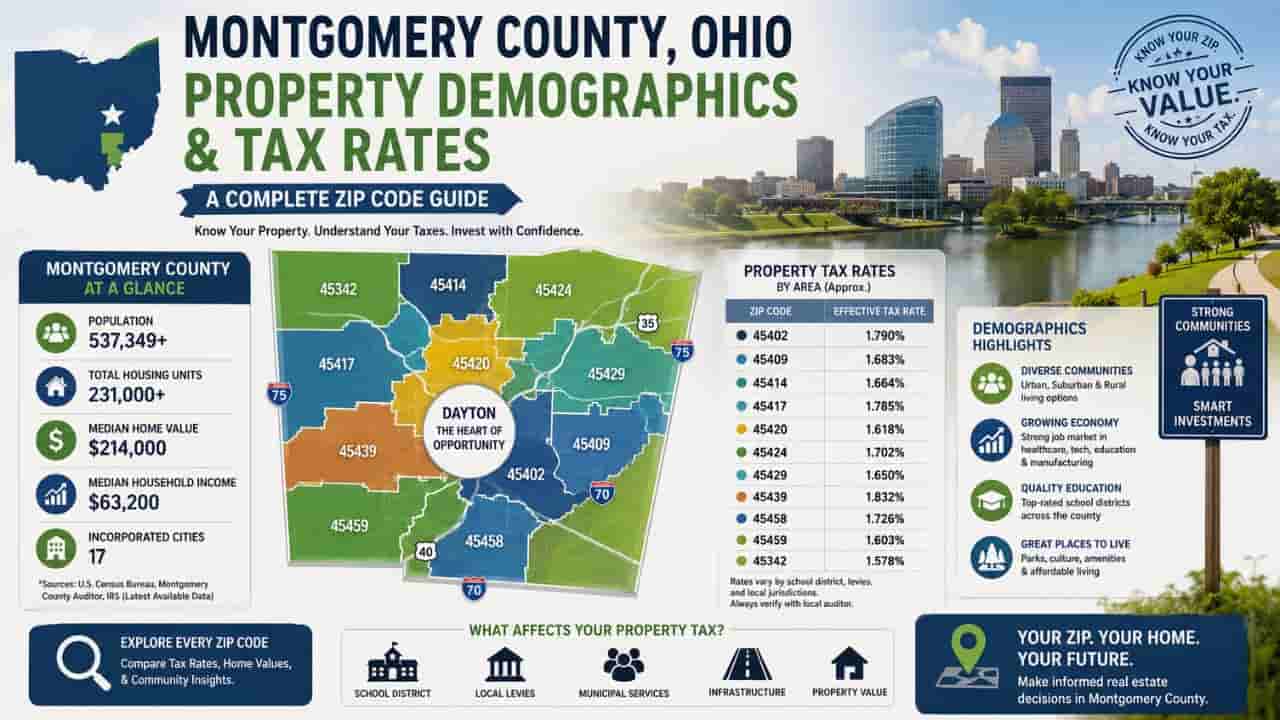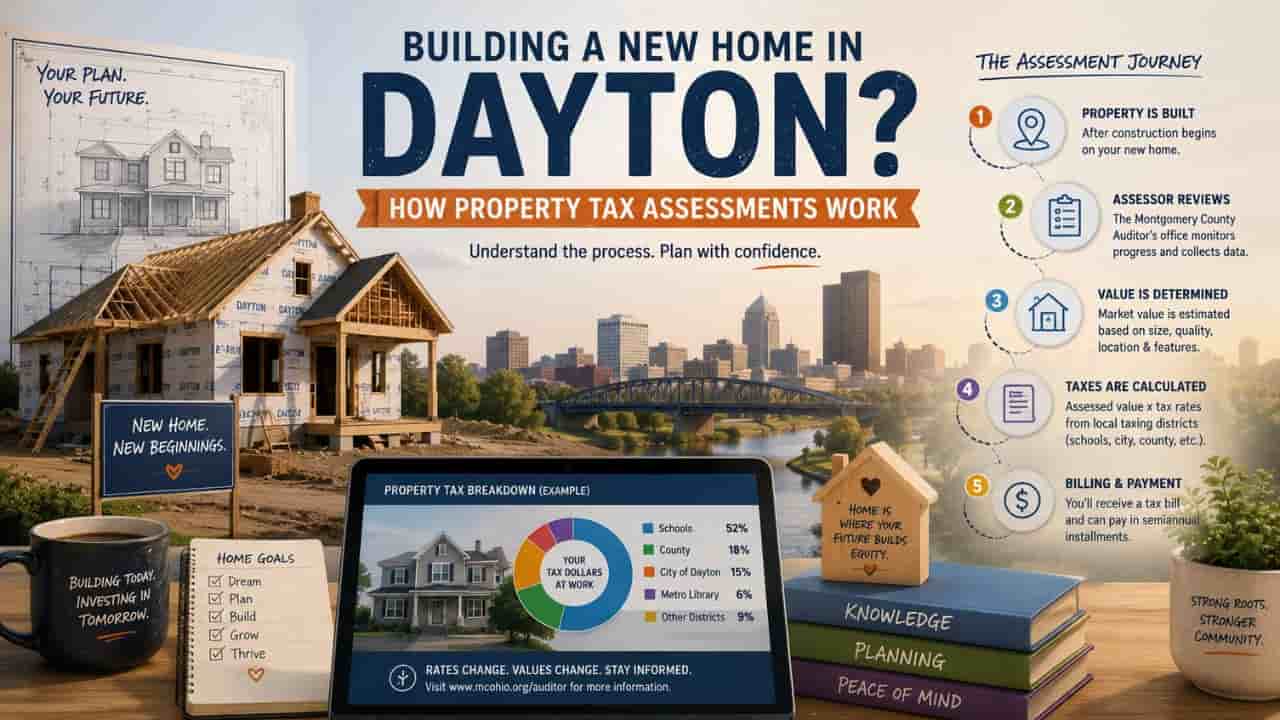
Before you dive in, it is essential to distinguish between the Auditor and the Recorder. While the Recorder’s office handles the actual “Deeds,” the Montgomery County Auditor (the Chief Assessor) maintains the Property Record Cards (PRC). These cards are the “DNA” of your property. They contain tax valuations, physical characteristics (square footage, year built), and land data. If you need to verify your property taxes or check assessment accuracy, the Auditor is your primary source.
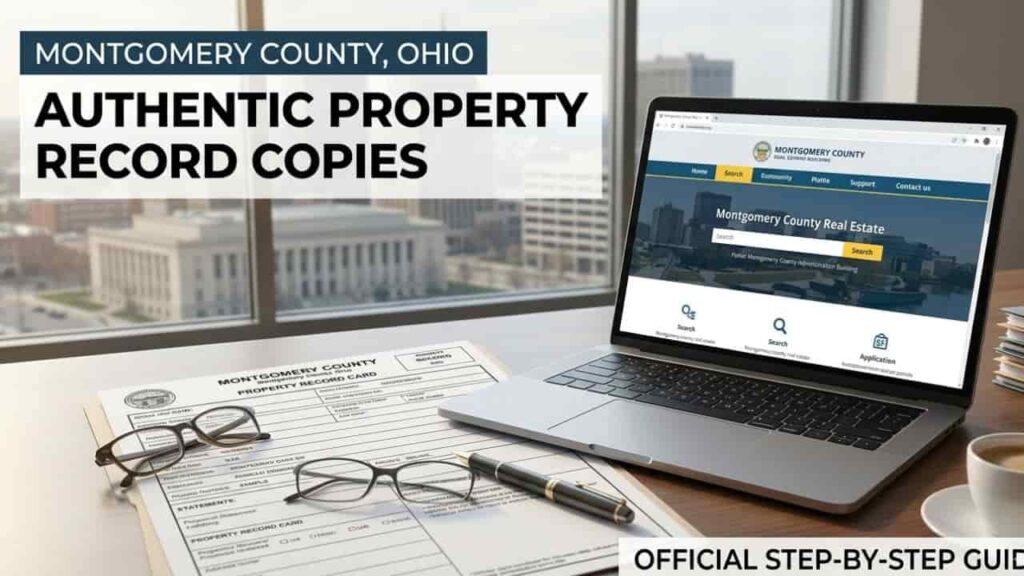
Official Methods to Obtain Property Record Copies
Montgomery County offers three primary ways to access these documents. Depending on whether you need a quick digital reference or a certified physical copy for legal matters, you should choose the method that fits your intent.
1. The Online Property Search (Fastest Method)
For 90% of users, the Auditor’s online portal, mcrealestate.org, is the most efficient tool. It provides a real-time snapshot of the public record.
- Step 1. Visit the official Montgomery County Real Estate website.
- Step 2. Use the “Search” function. You can search by Owner Name, Street Address, or Parcel ID.
- Step 3. Once you locate the property, click on the Parcel ID to open the Summary Page.
- Step 4. Look for the “Print Property Card” or “Data Summary” links (usually on the left hand navigation or top right).
- Step 5. Download the PDF. This serves as your unofficial digital copy.
2. In Person Requests at the County Administration Building
If you require a certified copy or need help navigating historical records, a visit to the Dayton office is recommended.
- Location: 451 West Third Street, Dayton, OH 45422.
- Procedure: Head to the Real Estate counter. Staff can pull up any parcel in the county and print the record for you immediately.
3. Mail In Requests for Certified Records
For legal proceedings or official bank requirements, you may need a certified copy with a raised seal.
- Send a written request including the Parcel ID and address.
- Include a self addressed, stamped envelope (SASE).
- Attach the required fee (check or money order).
Montgomery County Property Record Fee Structure
Transparency in government fees is a core part of Ohio’s public records policy. Below is a breakdown of what you can expect to pay for various record types as of 2026.
| Document Type | Delivery Method | Estimated Fee |
| Unofficial Property Card | Online Download (PDF) | $0.00 (Free) |
| Standard Photocopy | In Person / Mail | $2.00 per page |
| Certified Copy | Official Seal Required | $2.00/pg + $1.00 Certification |
| GIS / Tax Maps | Digital or Print | Varies by size ($2.00+) |
Pro Tip: Always verify the page count before sending a check for mail in requests. Most standard residential property record cards are 1–2 pages long.
How to Read Your Montgomery County Property Record
Getting the paper is only half the battle; you must also understand what you are looking at. A standard Montgomery County Property Record Card is divided into several high impact sections:
Property Value Summary
This section shows the Appraised Value vs. the Assessed Value. In Ohio, the assessed value is exactly 35% of the appraised market value. This is the number used to calculate your actual property tax bill.
Improvement Data
This lists the “bones” of the house. It includes:
- Total Living Area: Measured in square feet.
- Year Built: Original construction date.
- Basement/Garage: Details on finished vs. unfinished spaces.
- Condition Rating: How the county ranks the upkeep of your home (e.g., Fair, Average, Good).
Transfer History
The record will list the last several sales of the property. This includes the sale date, price, and the Conveyance Number. If you see a “0” sale price, it usually indicates a family transfer or a quitclaim deed rather than a market sale.
Troubleshooting Common Property Search Issues
Sometimes, a record doesn’t pop up immediately. Here is how to handle the most frequent hurdles:
- Address Not Found.
Try searching by Street Name only. Do not include “Road,” “Street,” or “Avenue.” For example, search “Main” instead of “Main St.” - Newly Split Parcels.
If a large piece of land was recently divided, the new Parcel ID might not be indexed yet. In this case, contact the Auditor’s GIS Department. - Owner Privacy.
Some law enforcement or protected officials may have their names redacted from the public-facing website, though the property data remains public.
Conclusion
Maintaining a copy of your Montgomery County Auditor property record is a smart move for any property owner. It ensures you aren’t being over taxed due to clerical errors (like an incorrect square footage count) and provides a clear history of your investment. If you notice a discrepancy in your record such as an incorrect number of bedrooms or an error in the acreage you should contact the Auditor’s Real Estate Department immediately to file a correction request or a Board of Revision (BOR) complaint.
FAQs
How do I get a copy of my property record card in Montgomery County, OH?
Visit mcrealestate.org and search by your address or Parcel ID. Click the “Print Property Card” link to download a digital PDF or visit the Dayton office for a physical copy.
Can I find Montgomery County property tax records online for free?
Yes. Use the Auditor’s search portal to access the “Tax Summary” tab. You can view current assessments, annual tax bills, and payment status at no cost to the public.
What is the difference between the Montgomery County Auditor and Recorder?
The Auditor manages property valuations and tax data, while the Recorder handles Deeds and legal titles. For ownership transfer documents, you must contact the Recorder’s office directly.
How do I update the owner name on Montgomery County property records?
Ownership updates require a new Deed to be filed and recorded with the County Recorder. Once the deed is processed, the Auditor’s record will automatically update during the next cycle.
Are Montgomery County property records considered public information?
Yes. Under Ohio public records law, all property valuations, tax history, and structural details are publicly accessible through the Auditor’s website or at the County Administration Building in Dayton.