
School district taxes form one of the most important parts of Montgomery County’s overall property tax structure. These tax rates determine the amount of money local schools receive and how much residents pay each year to support public education. For homeowners, buyers, taxpayers, and investors, understanding Montgomery County School District Tax Rates for 2026 is essential. It influences annual budgeting, home affordability, and long-term real estate planning.
This detailed article explains how school tax rates work, why they vary between districts, how they are calculated, the financial impact on homeowners, expected trends for 2026, and the major school districts involved.
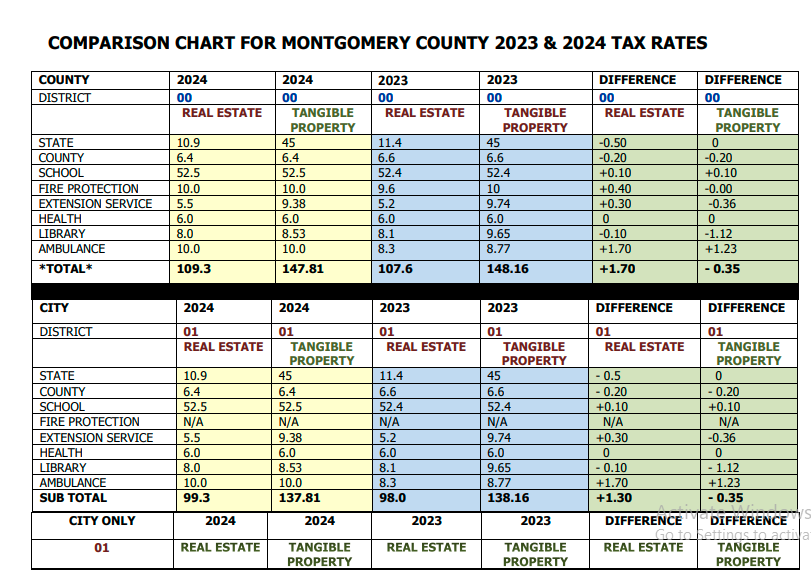
Adopted Budget for 2025-2026 (online)
Adopted Budget for 2024-2025
What Are School District Tax Rates?
School district tax rates are annual property tax charges that fund local schools in Montgomery County. They are expressed in mills, a property tax measurement used in Ohio.
One mill equals $1 in tax for every $1,000 of assessed value.
Example:
If a home has a taxable value of $100,000 and the school tax rate is 60 mills, the school portion of taxes would be:
60 × $100 = $6,000 per year
School district taxes are usually the largest part of property tax bills because education systems require major funding to operate. These taxes pay for teacher salaries, transportation, sports programs, building repairs, classroom technology, and daily school operations.
Why School District Tax Rates Matter
School taxes influence both the education system and personal finances. Understanding them is important because:
- They affect annual property tax bills
- They shape school funding levels
- They influence real estate values
- They matter for first-time homebuyers comparing locations
- They help residents understand where tax money goes
- They guide investors choosing profitable areas
In 2026, school taxes will continue to be one of the main property cost factors for homeowners in Montgomery County.
How School District Tax Rates Are Calculated
Several components help determine Montgomery County’s school district tax rates.
1. Voted Levies
Residents vote on school tax levies that add mills onto district tax rates. Levies can be for:
- Daily school operating budget
- Bonds for building repairs
- New building construction
- Permanent improvements
- Emergency funding needs
A “yes” vote raises property taxes; a “no” vote prevents an increase.
2. Inside Millage
Ohio law allows schools to collect up to 10 inside mills without voter approval. These mills automatically apply and help guarantee minimum funding.
3. Tax Reduction Factors
When property values increase, the state applies reduction factors to keep tax growth under control. This prevents automatic tax spikes caused by rising home values.
4. District Local Wealth
Wealthier districts with higher property values may need fewer mills to raise money. Lower value districts often use higher millage.
5. Oversight and Budget Needs
Each district prepares annual budgets. If funding is short, new levies may appear on election ballots.
These factors explain why school tax rates change over time and differ from one district to another.
Understanding Taxable Value vs Market Value
School taxes are not based on the sale value of a home. Taxes are based on assessed value, which is 35% of market value.
Example:
A home worth $200,000 has a taxable assessed value of:
200,000 × 35% = $70,000
Meaning every mill adds:
$70 per mill
So if the school district tax rate is 60 mills:
60 × 70 = $4,200 per year
Most residents are surprised when school tax bills feel much higher than expected. This occurs because:
- mills stack on top of one another
- values rise during reassessments
- old voted mills remain active for years
School Districts in Montgomery County
Montgomery County contains several school districts, each with its own tax rate total. Although exact numbers differ, the major districts include:
- Dayton City
- Centerville City
- Kettering City
- Huber Heights City
- Brookville Local
- Jefferson Local
- New Lebanon Local
- Oakwood City
- Vandalia-Butler City
- Miamisburg City
- West Carrollton City
- Valley View Local
Each district calculates taxes differently depending on levies, insider mills, population size, and funding needs.
General Tax Pattern Differences
School taxes reflect community priorities. For example:
Urban Districts
Urban school districts like Dayton City often carry:
- Higher millage rates
- Larger student populations
- Higher building maintenance needs
Suburban Districts
Districts like Centerville or Oakwood may:
- Have stable tax rates
- Higher home values
- Strong student enrollment
Rural Districts
Districts like Jefferson Local may:
- Depend more on levy renewals
- Have smaller student populations
- Require higher mills to raise the same revenue
These differences explain why two nearby homes can have completely different tax totals.
2026 School Tax Rate Expectations
While exact numbers for 2026 depend on continuing levies and election results, several trends are expected:
1. Stable Levies
Many Montgomery County school districts already have long-term levies locked in place. These levies will continue affecting tax bills through 2026.
2. New School Funding Requests
Some districts are planning funding votes for:
- new buildings
- athletic facility upgrades
- technology programs
- safety improvements
If voters approve these levies, rates will rise.
3. Inflation Pressure
Classroom expenses continue rising due to:
- staff salary increases
- energy cost rises
- technology upgrades
This may push school boards to request additional mills.
4. Property Value Increases
Property assessments have risen countywide. When home values rise but millage stays similar, tax totals go up.
5. Population Shifts
Enrollment changes can raise or lower school budgets. Growing districts may need new revenue sources.
Overall, residents can expect slight upward pressure on school taxes going into 2026.
How School Taxes Affect Homeowners
School taxes impact different types of residents in different ways.
Homebuyers
Buyers may choose homes outside certain districts because millage affects monthly escrow payments.
Long Term Owners
Rising tax bills affect retirement plans and household income.
Landlords & Investors
School tax rates influence profit margins on rental units. Higher tax costs may lower return on investment.
Commercial Property Owners
Businesses within high-rate districts may reconsider expansion because school taxes affect building overhead.
Homestead Exemption and School Taxes
Ohio’s Homestead Exemption reduces property taxes for seniors and disabled homeowners.
This program:
- reduces taxable value
- lowers school taxes
- applies to primary residences
For homeowners aged 65 and older, this exemption offers meaningful relief in high-mill districts.
Why Millage Rates Change Over Time
School tax millage is not permanent. Historic rate increases come from:
- bond issues
- operational levy renewals
- emergency funding
- rising teacher salary budgets
- inflation pressures
- building maintenance needs
When district voters reject levies, schools may cut programming or delay construction projects.
How Residents Can Check Their School Taxes
Homeowners can see their exact school taxes through:
- annual property tax bills
- county auditor valuation notices
- millage charts for districts
- ballot election summaries
Every taxpayer should review these items before millage changes take effect.
Real Estate Impact of School Taxes
School taxes shape real estate activity in Montgomery County.
Higher Rate Areas
Discover Montgomery Ohio areas with higher tax rates and learn how they affect property owners annually.
- may have excellent schools
- attract families
- increase demand
- lift home values
Lower Rate Areas
Save money by identifying Montgomery Ohio lower-rate areas for property taxes and residential planning efficiency.
- may have smaller school budgets
- reduce long-term property demand
- sometimes lower home prices
The school tax structure is deeply connected to housing market performance.
Frequently Asked Questions
1. Do all homes in Montgomery County pay school taxes?
Yes, all taxable properties inside a school district will pay school taxes, unless exempt.
2. Can school tax rates change in 2026?
Yes, levy elections and budget changes can alter millage totals.
3. Why do districts have different tax rates?
Because each district approves different levies and operates separate budgets.
4. Can residents appeal school taxes?
They cannot appeal tax rates, but they can appeal assessed property value.
5. Who decides school millage?
Voters, school boards, and state formulas determine most school tax rates.
- Ohio Property Tax Reform 2026: Impact on Montgomery County Homeowners
- How to Get Cigarette License in Montgomery County, Ohio
- How to Track Court Case Progress in Montgomery County OH
- How to Get a Property Record Copy from Montgomery County Auditor Ohio
- Montgomery County Jail Release & Bond Information Search
