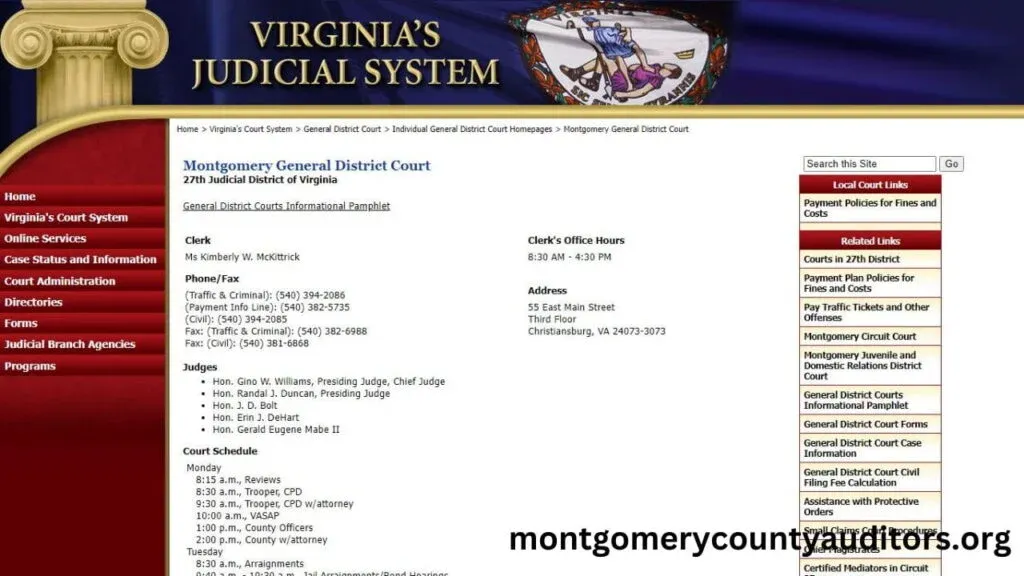
Filing a civil case in Montgomery County, Ohio, allows individuals, businesses, and organizations to resolve disputes through the legal system. Civil cases can include contract disputes, property disagreements, personal injury claims, landlord-tenant issues, and more. Understanding the proper filing process ensures cases are submitted correctly, reducing delays and increasing the chance of timely resolution.

What Is a Civil Case?
A civil case involves legal disputes between two or more parties where the outcome typically involves financial compensation, property claims, or legal obligations. Unlike criminal cases, civil cases do not result in jail time but may include:
- Monetary judgments
- Court orders to act or refrain from acting
- Property rights resolution
- Contract enforcement
Common civil case examples include:
- Breach of contract claims
- Landlord-tenant disputes
- Personal injury or accident claims
- Debt collection lawsuits
- Business disputes
Eligibility to File a Civil Case in Montgomery County
To file a civil case, the plaintiff (person initiating the case) must:
- Be at least 18 years old, or have a legal guardian if under 18
- Have a legitimate legal claim or dispute
- Identify the correct defendant(s)
- Have jurisdiction in Montgomery County
Jurisdiction refers to whether the Montgomery County court has legal authority over the parties and subject matter of the dispute.
Steps to a Civil Case Filing
Easy to understand:
Step 1: Determine the Correct Court
Civil cases in Montgomery County can be filed in:
- Montgomery County Common Pleas Court: Handles major civil cases with higher monetary amounts
- Montgomery County Municipal Court: Handles smaller civil claims, often under a specific dollar limit
- Specialty Courts (if applicable): For example, housing or small claims divisions
Choosing the correct court ensures your case is accepted and properly processed.
Step 2: Prepare Your Case Filing Documents
Key documents needed for filing include:
- Complaint or Petition: A detailed written explanation of your claim, including parties involved, facts, and legal basis
- Civil Cover Sheet: Provides basic case information to the court
- Summons Forms: Official notification that informs the defendant they are being sued
- Supporting Evidence: Any contracts, invoices, photographs, or documentation supporting your claim
Step 3: Pay Case Filing Fees
Montgomery County charges fees for filing civil cases, which vary depending on:
- Case type
- Monetary amount involved
- Whether you are filing in Common Pleas or Municipal Court
Typical filing fees include:
- Civil case filing fees: $100–$200 (may vary)
- Small claims fees: Lower fees for minor disputes
- Additional fees: For summons, service of process, or motions
Fee waivers may be available for low-income plaintiffs through a motion to proceed in forma pauperis.
Step 4: File Your Case
Submit your documents and payment to the Montgomery County Clerk of Courts. Filing can be done:
- In-person: Bring original documents and copies for the court
- Online e-filing system (if available): Many civil cases can be submitted electronically, saving time and processing delays
Once submitted, the court assigns a case number and schedules initial proceedings.
Step 5: Serve the Defendant
After filing, the plaintiff must notify the defendant through legal service of process. This ensures the defendant is aware of the case. Methods include:
- Certified mail
- Sheriff or process server delivery
- Personal delivery by authorized personnel
Proper service is required before the court can proceed with hearings.
Step 6: Attend Court Hearings
Once the defendant responds, the court schedules hearings or mediation sessions. Typical civil case procedures include:
- Pre-trial conferences
- Discovery (exchange of evidence)
- Motions (requests for court orders)
- Trial (if settlement or mediation fails)
During the trial, both parties present evidence and arguments for the judge to decide.
Tips for Filing a Civil Case in Montgomery County
- Verify jurisdiction to avoid dismissal
- Gather all relevant evidence before filing
- Ensure your complaint clearly states the facts and requested relief
- Keep copies of all filed documents
- Consult an attorney if your case involves complex legal issues
- Follow all deadlines for responses, motions, and hearings
These steps help prevent delays or procedural errors that could negatively affect your case.
Common Mistakes to Avoid
- Filing in the wrong court
- Missing filing fees or incorrect payment
- Failing to serve the defendant properly
- Not including sufficient evidence in the complaint
- Missing court deadlines
Avoiding these mistakes increases the likelihood of a smooth and successful filing process.
Benefits of Filing Correctly
- Ensures timely case processing
- Provides legal recognition of your dispute
- Preserves your rights and claims
- Allows the court to issue enforceable judgments
Conclusion
The Montgomery County civil court case filing process provides a structured system for resolving disputes fairly and efficiently. By understanding the required documents, fees, filing procedures, and deadlines, plaintiffs can file civil cases confidently. Proper preparation, accurate filing, and adherence to court rules protect legal rights, prevent delays, and contribute to a smoother resolution. Whether your case involves contracts, property, or personal disputes, following the official process ensures your claims are legally recognized.
Frequently Asked Questions
1. What is the first step in filing a civil case in Montgomery County?
Identify the correct court (Common Pleas, Municipal, or specialty court) and prepare your complaint or petition.
2. Can I file a civil case online?
Some civil cases can be e-filed through the Montgomery County court system; check the clerk’s website for eligibility.
3. How much does it cost to file a civil case?
Filing fees vary depending on case type and court, typically ranging from $100 to $200 for standard civil cases.
4. Do I need an attorney to file a civil case?
No, self-representation is allowed, but consulting an attorney is recommended for complex or high-value disputes.
5. What happens after filing a civil case?
The defendant is served, they may respond, and the court schedules hearings, discovery, and potentially a trial.