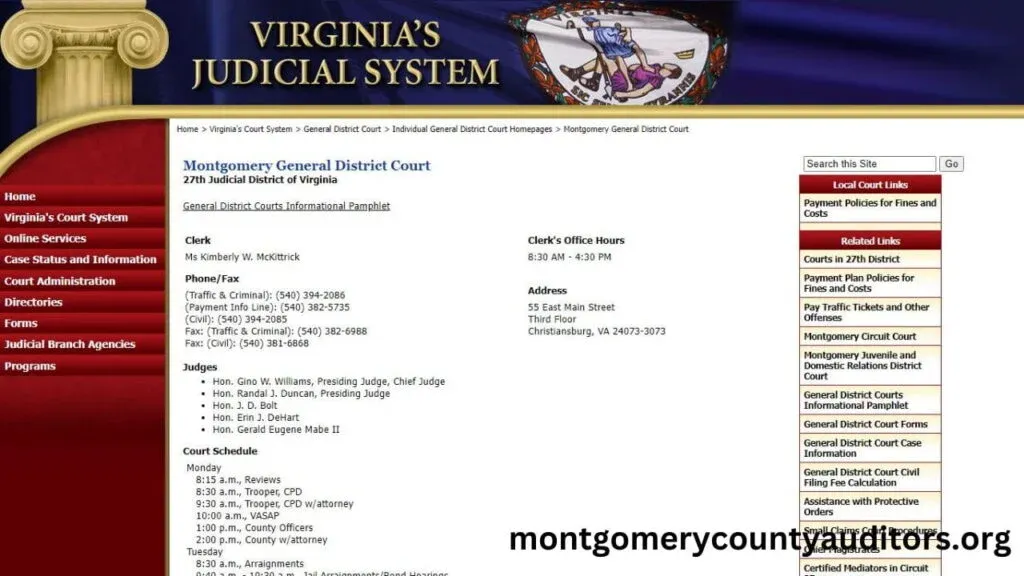
Public court records are important legal documents that provide information about cases filed in Montgomery County courts. These records help people verify legal history, check criminal backgrounds, review civil disputes, or confirm case outcomes. Whether you are a homeowner, legal researcher, employer, tenant landlord, or simply checking your own status, Montgomery County court records are accessible through several official search methods.
Understanding Court Records in Montgomery County
Court records include information created from legal activities processed through county court systems. These documents may involve criminal charges, civil lawsuits, small claims, traffic violations, family court issues, and probate matters.
These records are not only used by attorneys ordinary citizens use them to gather legal facts, ensure transparency, and understand how a case was handled. Most court records are public by law unless sealed by a judge.
Types of Public Court Records Available
Residents can search many different case filings in Montgomery County. The most commonly requested record categories include:
Criminal Court Cases
These records cover:
- Misdemeanor and felony charges
- Court hearings
- Sentencing details
- Case history and process timeline
Civil Court Cases
This includes:
- Contract disputes
- Debt collection lawsuits
- Property disagreements
- Foreclosure activity
Traffic & Driving Violations
Records for:
- Speeding tickets
- License suspensions
- DUI filings
- Mandatory court appearance cases
Family & Domestic Court Records
Such as:
- Divorce filings
- Custody hearings
- Child support orders
Probate Court Files
Including:
- Wills and estates
- Guardianship appointments
- Trust settlements
Each group serves a unique purpose and helps citizens locate reliable legal details when needed.
How Public Court Records Are Organized
Court records are organized by case number, defendant name, filing year, and court level. Montgomery County operates several courts, and records are separated based on jurisdiction:
- Municipal Court: criminal misdemeanors, traffic, civil under set limits
- Common Pleas Court: major felonies, larger civil cases
- Domestic Relations Court: family matters
- Probate Court: wills and estate cases
- Juvenile Court: minor-related cases
Understanding which court handled the case will make searching easier.
Primary Methods to Search Court Records in Montgomery County
Homeowners and residents have multiple ways to conduct a court record search.
1. Online Public Record Portals
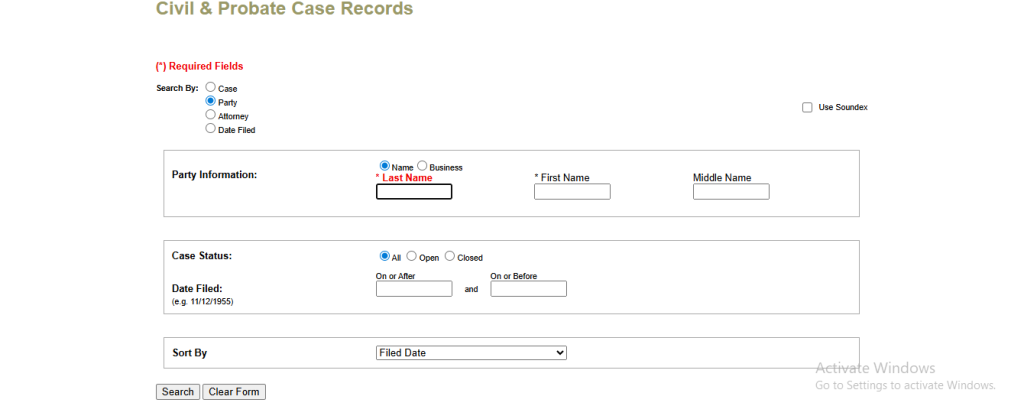
Montgomery County provides digital access to search case information. Users can search by:
- Name
- Case number
- Business name
- Filing date
- Attorney name
Online search systems offer quick results and free public access to basic details.
2. In-Person Court Clerk Searches
Visitors can request record copies directly from the county clerk offices. This works best for:
- Historical records
- Certified copies
- Sealed or restricted paperwork (with permission)
- Older cases not digitized
Clerk staff can help locate documents, verify case numbers, and explain record terminology.
3. Public Case Index Databases
Many third-party public index systems may display Montgomery County cases. These platforms improve search convenience, but the most accurate source will always be county-managed systems.
Cost of Accessing Court Records
Basic digital court searches are normally free.
However, certified printed copies or official stamped documents may require fees.
Costs may apply for:
- Printing pages
- Certified copies
- Archived file requests
- Long case downloads
Fees differ by courthouse and record type.
What Information You Need Before Searching
Having accurate personal details will speed up your record search. Helpful information includes:
- Full legal name
- Birth year
- Court type involved
- Approximate filing year
- Case category (civil, criminal, etc.)
- Attorney names
More exact data reduces confusion, especially when names are common.
Why People Search Court Records
There are many personal and professional reasons:
- Home buyers researching seller information
- Employers checking criminal history
- Attorneys preparing evidence
- Citizens reviewing traffic case status
- Journalists collecting legal facts
- Individuals verifying public safety
Court records help protect transparency and accountability in the county justice system.
Limitations on Access to Court Records
Even though most records are public, some files are restricted or sealed, such as:
- Juvenile records
- Adoption cases
- Certain family matters
- Identity-protected documents
- Confidential probate data
- Records sealed by court order
Courts seal cases to protect personal privacy and legal fairness.
Tips for Accurate Court Record Searching
Searching becomes easier when you follow helpful strategies:
- Verify spelling on names
- Check multiple years
- Search all relevant courts
- Use middle initials when available
- Note case numbers for future use
- Confirm identity with birth dates
These steps reduce confusion and improve search success.
Understanding Case Status Terms
Court databases show status results using legal language. Common examples include:
- Open: case still active
- Closed: completed, resolved or dismissed
- Pending: in progress
- Appealed: moved to higher court
- Dismissed: dropped or withdrawn
Knowing these terms helps interpret search results properly.
How Homeowners Can Use Court Records
Court records offer valuable insight for real estate buyers:
- Check foreclosure risks
- Review seller disputes
- Verify ownership conflicts
- Confirm bankruptcy filings
- Understand neighborhood stability
Court information can protect property investments.
Conclusion
Searching public court records in Montgomery County is an effective way to access legal details about criminal, civil, domestic, and probate cases. With digital search databases, clerk-office assistance, and organized court systems, residents can quickly locate reliable case information without legal experience. Whether reviewing a family matter, researching property issues, or confirming a criminal background, public court records offer transparency and legal clarity for homeowners, businesses, and everyday citizens.
Frequently Asked Questions
1. Are Montgomery County court records public?
Yes. Most records are public unless sealed by a judge or protected by law.
2. Do I need a lawyer to search court records?
No. Anyone can search without legal assistance.
3. Can I find criminal background history in these records?
Yes, criminal filings and case outcomes appear in public databases.
4. Are juvenile records available to the public?
No. Juvenile and adoption cases are normally confidential.
5. Can records be removed or hidden?
Only through legal expungement or sealing ordered by a judge.